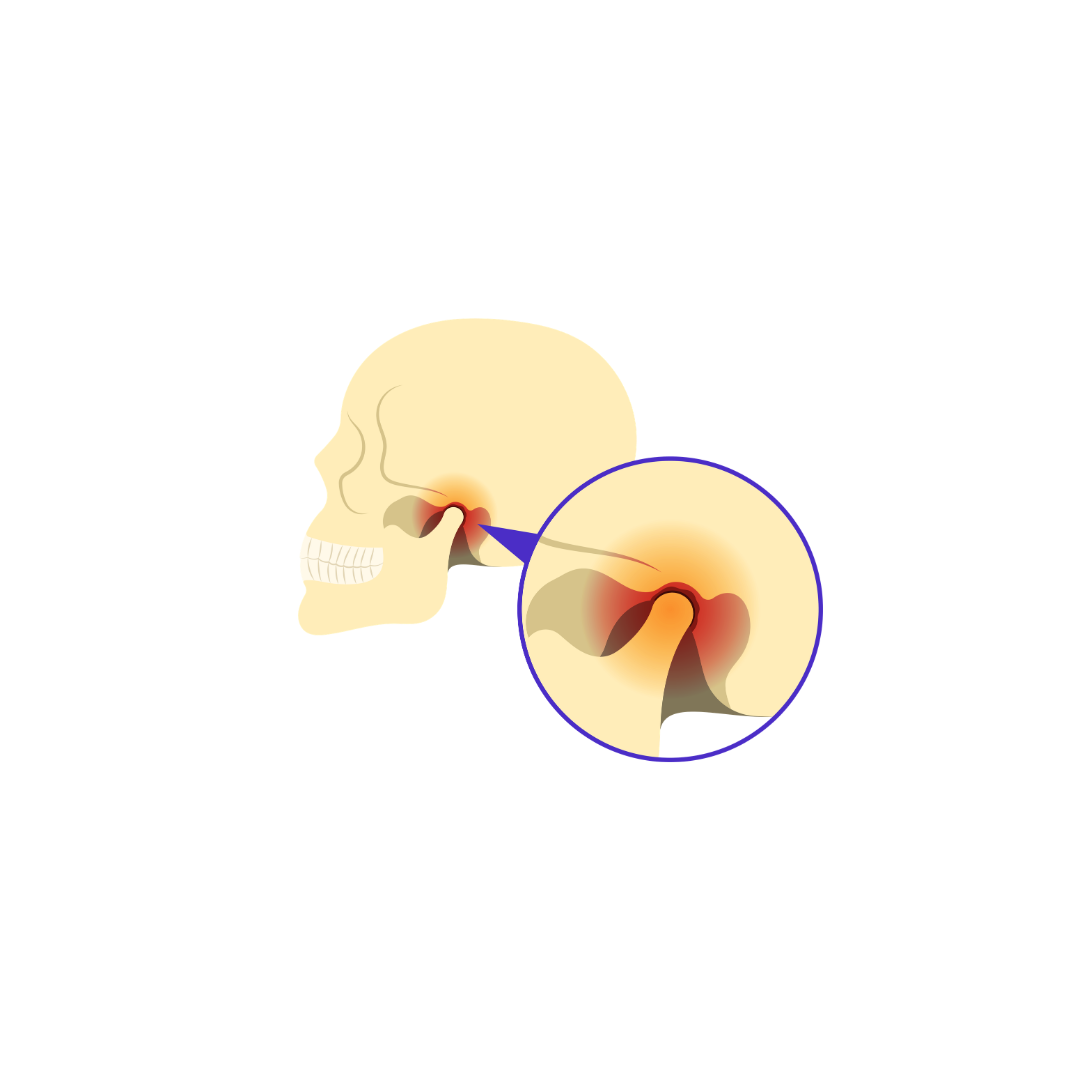
Jaw Pain Explained: When Physiotherapy Can Help
Posted on 29th October 2026 by Paul FrankhamJaw pain can make eating, talking and yawning uncomfortable. You may also notice clicking, tightness or headaches around your temples. These symptoms can be linked to the temporomandibular joint (TMJ) or the muscles around it, and many cases improve with conservative care such as physiotherapy. However, jaw pain can also come from dental problems, infections or other medical conditions, so getting the right assessment matters. Here is what you need to know.
What is the TMJ?
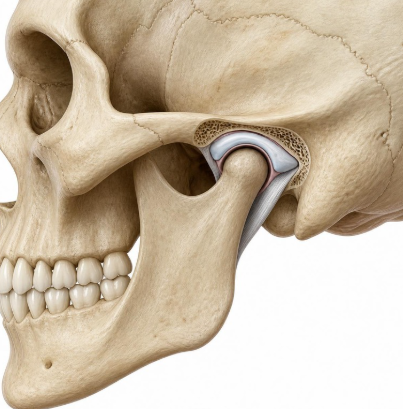
You have two TMJs.
Each one just in front of each ear. They connect your lower jaw to your skull and work with muscles, ligaments and small cushioning discs to help you chew, speak and yawn.
Clicking can happen when these structures move differently, but painless clicking on its own does not always mean something is wrong.
What are TMJ disorders?
Temporomandibular disorders (TMDs) affect the jaw joints, chewing muscles or surrounding tissues.
They may cause pain, stiffness, clicking, headaches or difficulty moving the jaw.
Muscle and joint symptoms often overlap.
Common symptoms
- Jaw pain or tightness.
- Clicking or popping.
- Pain when chewing.
- Difficulty opening the mouth or jaw locking.
- Headaches.
- Neck pain or stiffness.
Symptoms may flare with hard foods, wide yawning, prolonged chewing, teeth clenching or grinding, and stress. Ringing in the ears, dizziness and hearing changes can have other causes, so persistent or unexplained symptoms should be medically investigated.
What can cause TMDs?
- Clenching or grinding your teeth.
- Stress and muscle tension.
- Overworking the jaw.
- Injury to the jaw or face.
- Joint conditions.
- Neck discomfort, poor sleep or persistent pain.
Remember: TMDs often have more than one contributing factor. Identifying those factors helps guide treatment.
How are TMDs assessed?
A physiotherapist will ask about your symptoms and check jaw opening, movement, muscle tenderness and neck mobility. The assessment may also show whether you should see a dentist or doctor first. Scans are not needed in every case.
How can physiotherapy help with jaw pain?
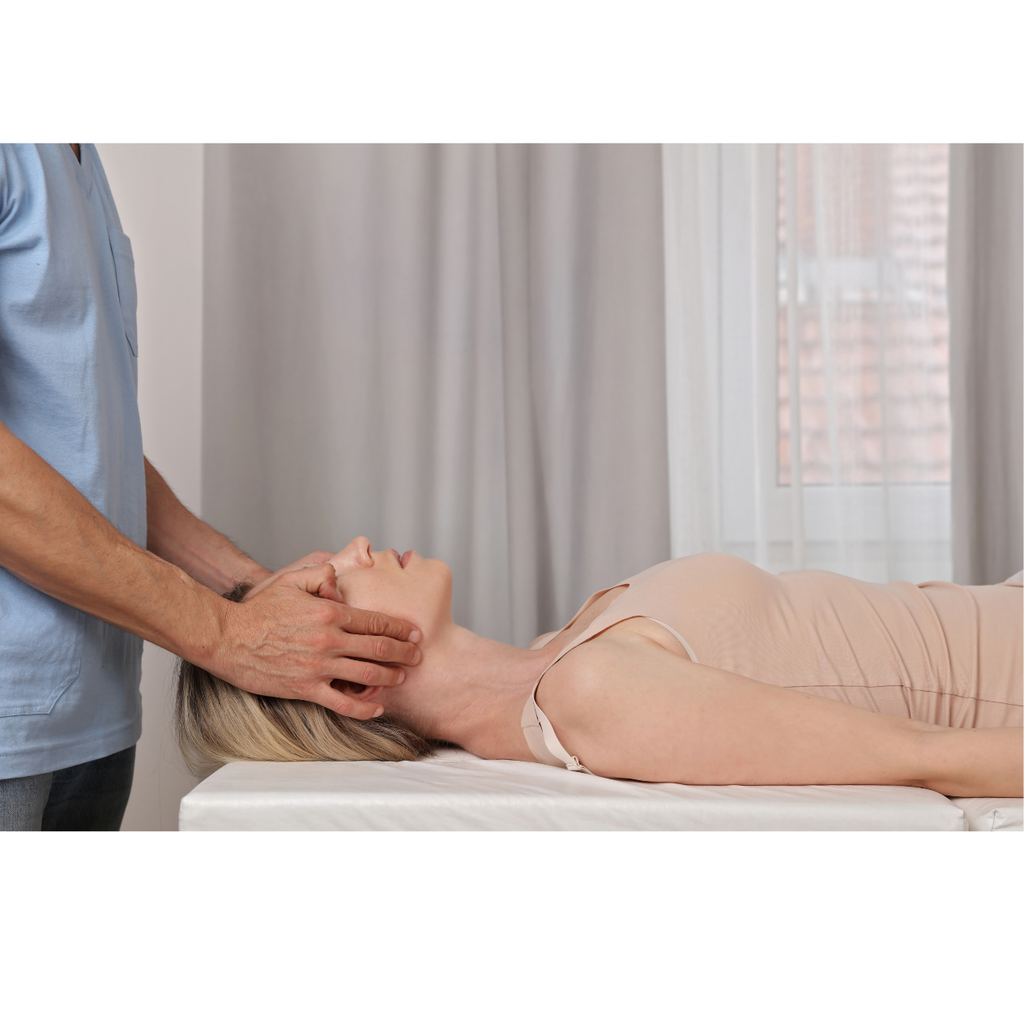
Physiotherapy can help manage TMDs by addressing jaw movement, muscle tension and contributing factors in the neck and surrounding areas.
Depending on your symptoms, treatment may include hands on techniques, jaw and neck exercises, relaxation strategies and practical advice to reduce strain on the jaw.
What to expect from a physiotherapy appointment?
Your initial appointment involves discussing your symptoms, how they affect your daily life and treatment goals. The physiotherapist will assess your jaw movement, surrounding muscles and neck mobility to help identify suitable treatment options. Based on the findings, they will develop a personalised treatment plan tailored to your needs, with the aim of reducing discomfort, improving movement and helping you return to everyday activities with greater confidence.
However, if your symptoms suggest an underlying dental or medical issue, they may recommend further assessment by a dentist or other healthcare professional.
What can you do at home?
- Keep your jaw relaxed when you are not eating or speaking.
- Choose softer foods for a short time.
- Avoid very wide yawning and excessive chewing.
- Cut down on chewing gum.
- Try gentle heat or cold if it feels soothing.
- Notice when you clench your teeth.
- Practise exercises recommended for you.
When should you seek advice?
Arrange an assessment if pain persists, keeps returning, or affects eating, speaking or daily life. A dentist can check for tooth-related causes, while a physiotherapist can assess jaw and neck movement and muscle function. Worsening symptoms or repeated locking may need further investigation.
When is jaw pain urgent?
Seek urgent medical help for significant facial swelling with fever, a serious jaw or facial injury, a sudden inability to open or close your mouth, or a new severe headache with scalp tenderness or vision changes, especially if you are over the age of 50.
Call emergency services if jaw pain occurs with chest pressure, shortness of breath, sweating, or pain spreading to your arm or back.
If jaw pain is affecting your daily life, contact Physio.je to discuss your symptoms and find out how physiotherapy can help you.