Low back pain (LBP)
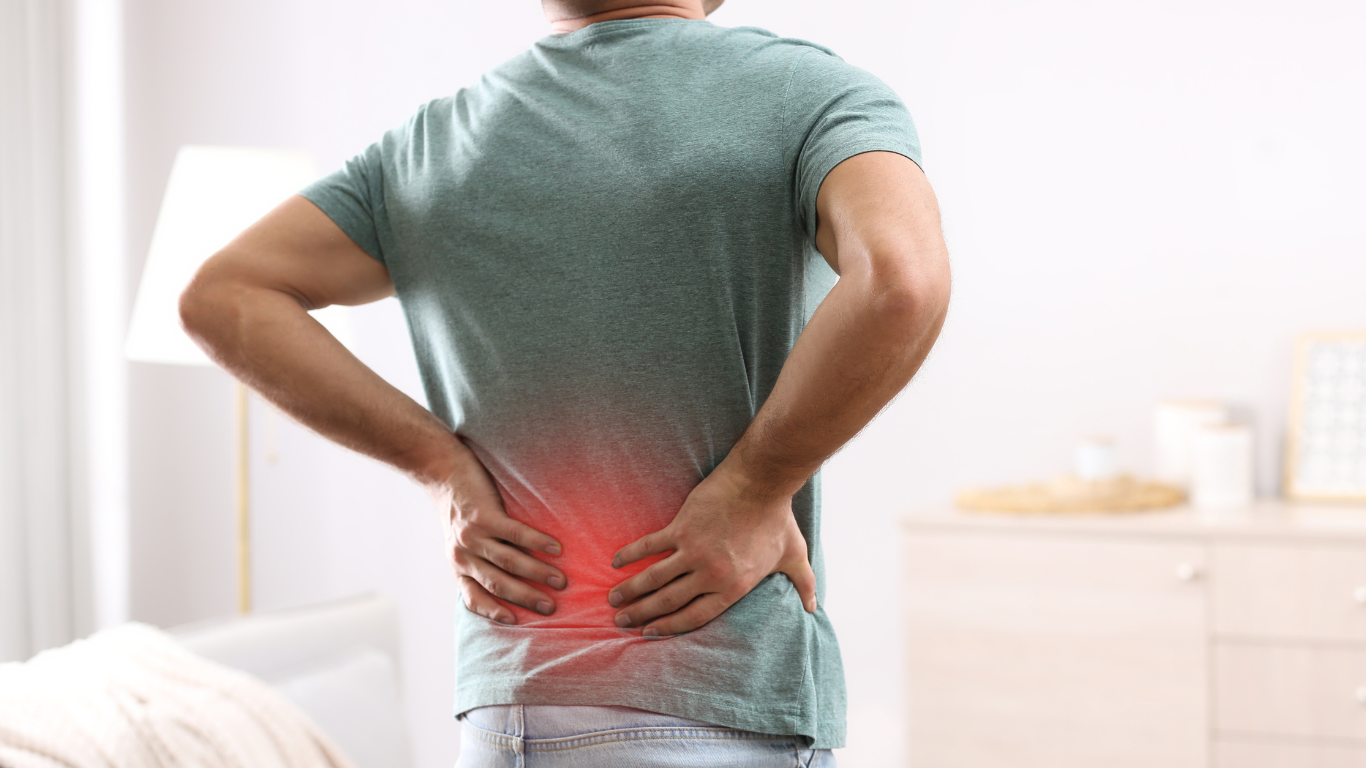
Posted on 01st April 2025 by Paul FrankhamLow back pain (LBP) is a common condition that affects people of all ages and backgrounds. It is one of the leading causes of disability worldwide and can significantly impact quality of life and work productivity.
Low back pain is a common condition that can arise from various causes, including:
- Muscle or Ligament Strain: Overuse or improper use of back muscles can cause strain, leading to pain and stiffness. Common activities leading to muscle strain or ligament strain include heavy lifting, sudden movements, or maintaining an awkward position for a prolonged period.
- Bulging or Ruptured Discs: Discs act as cushions between the bones (vertebrae) in your spine. As people age, the intervertebral discs in the spine can lose hydration and flexibility, leading to pain. This can cause discs to bulge or herniate, pressing on nerves and causing pain.
- Arthritis: Osteoarthritis can affect the lower back, leading to narrowing of the space around the spinal cord (spinal stenosis). Facet joints connecting the vertebrae and helping to facilitate movement can also be involved, becoming irritated or inflamed, causing localised pain and limiting movement.
- Sciatica: Compression of the sciatic nerve can cause sharp pain radiating down the leg.
- Poor Posture and Ergonomics: Prolonged poor posture can strain the back muscles and ligaments. This often results in chronic back pain, especially in the lower back.
- Lifestyle Factors: Obesity, lack of exercise, and smoking can contribute to back pain by weakening back muscles and reducing overall health.
Self-help strategies that might help alleviate discomfort and promote healing. Here are some tips to consider:
Rest and Activity Modification:
Minimise activities that aggravate the pain.
- Try and remain as active as possible, avoid prolonged rest/positioning – try and perform short, tolerable walks throughout the day
- Gradually resume normal activities as you feel able.
Heat and Cold Therapy:
- Apply ice packs to reduce inflammation during the first 48 hours.
- Use heat packs to relax muscles and improve blood flow after the initial period.
Over-the-Counter Pain Relief:
- Nonsteroidal anti-inflammatory drugs (NSAIDs) like ibuprofen
Physical Therapy and Exercise – Stretching and Strengthening Exercises:
- Focus on exercises that strengthen the core, back, and leg muscles.
- Gentle stretching to maintain flexibility.
Latest National Institute for Health and Care Excellence – recommends the ‘effectiveness of manual therapy (spinal manipulation, mobilisation or soft tissue techniques such as massage) for managing low back pain as a package of treatment that includes exercise, and psychological therapy’. (NICE, 2020)
Example Exercise:
- Knee Hug Stretch- Lie on your back with your knees bent and feet flat on the floor. Bring one knee up towards your chest, holding it with both hands. Hold for 20-30 seconds, then return to the starting position. Repeat with the other leg. Do this 2-3 times per leg, repeating 2-3 times a day
Tips when performing exercise:
- Breathing: Focus on breathing deeply and steadily throughout each exercise.
- Movement: start with gentle movement in a comfortable range, ensuring pain does not go above a moderate level
Lifestyle Adjustments:
Ergonomics:
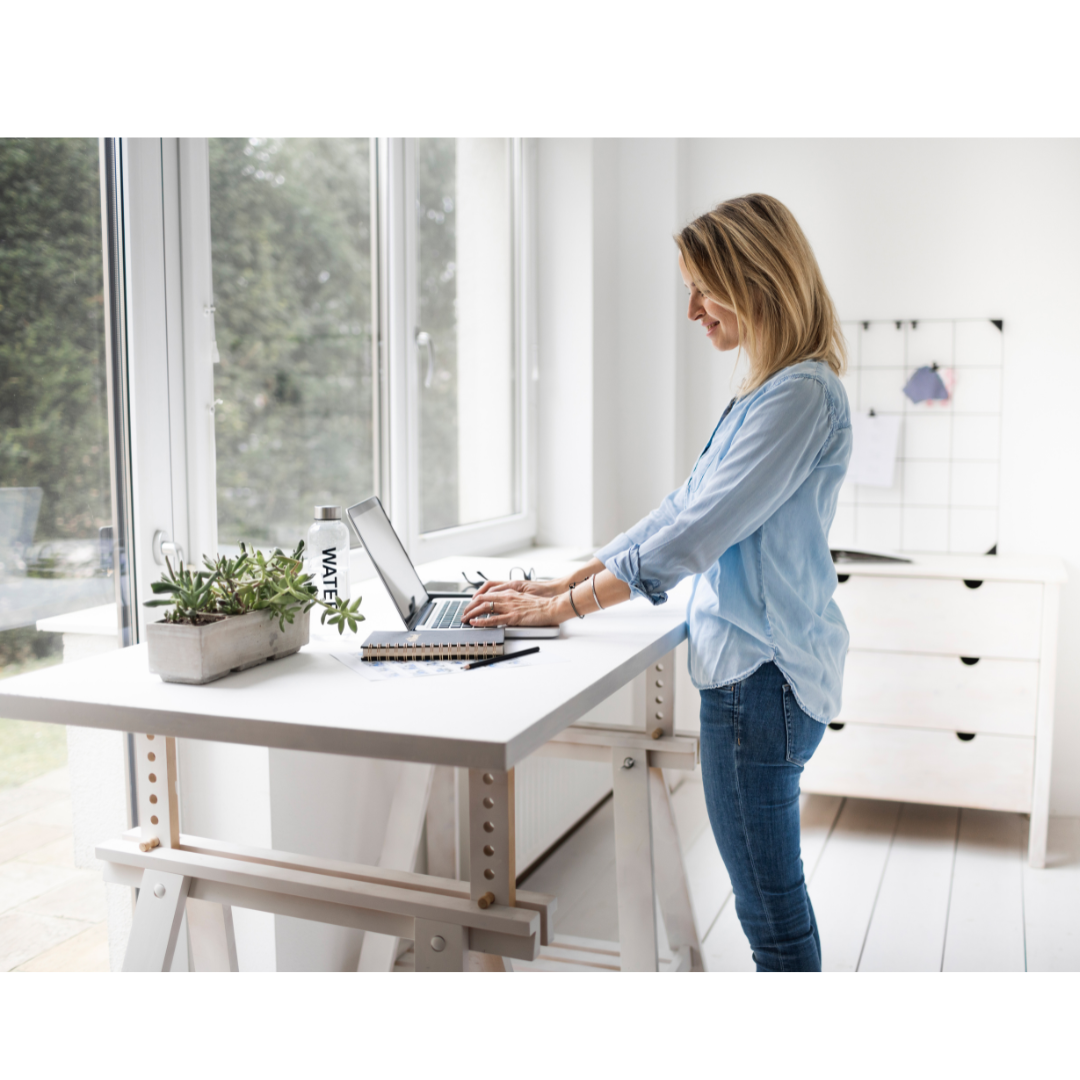
- Ensure proper posture when sitting, standing, and lifting.
- Use ergonomic furniture and tools.
Proper Lifting Techniques:
- Lift with your legs, not your back, and avoid twisting while lifting.
When to contact a medical professional, such as a physiotherapist:
- Persistent Pain- If the pain persists for more than a few weeks or worsens despite self-care, seek medical advice.
- Severe Symptoms – Seek immediate medical attention if you experience severe pain, sudden swelling, an inability to use the shoulder, or signs of an infection (fever, redness, warmth)
- Recurring Pain – If you experience recurring episodes of low back pain, it indicates an underlying issue that needs to be addressed.
- Restrictions in daily activity or sport– Individuals who have experienced limitations in mobility and daily life and/ or sport due to their low back symptoms